
Simulating Microfluidic valves for successful applications
Simulating the future of microfluidics: Optimizing valve design

Microfluidic valves are tiny but mighty components in the world of biomedicine. However, designing these valves to function optimally can be challenging due to their microscopic size and complex fluid dynamics. This is where Computational Fluid Dynamics (CFD) simulation comes in as a valuable tool.
- Predicting flow behavior
- Identifying design flaws
- Testing different configurations
- Minimizing flow resistance
- Optimizing valve cctuation
- Ensuring mixing efficiency
- Virtual prototyping
- Identifying potential issues early

Tesla valves, though not strictly one-way valves, play a crucial role in microfluidic devices used in various biomedical applications. These microfluidic devices handle minute volumes of fluids and are essential for tasks like:
- Drug Delivery: Precise control of drug flow is vital for targeted and controlled drug delivery. Tesla valves can regulate and direct the flow of medication within microfluidic channels.
- Lab-on-a-Chip Devices: These miniaturized diagnostic tools rely on microfluidics to manipulate tiny samples. Tesla valves can control the flow of fluids within these devices for tasks like blood analysis or cell sorting.
- Microfluidic Implants: Biomedical implants can incorporate microfluidic components for controlled release of drugs or monitoring physiological parameters. Tesla valves can help regulate fluid flow within these implants.
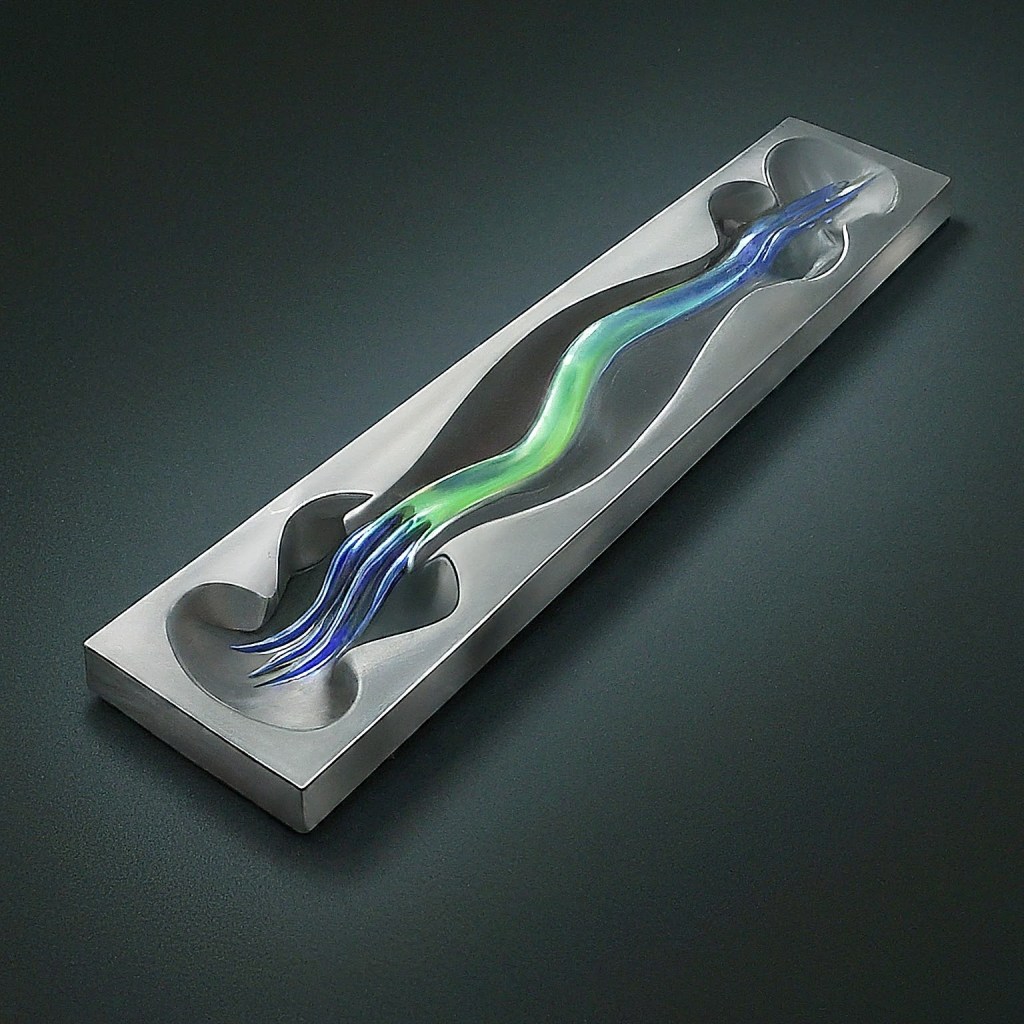
Importance of Simulations
Designing these microfluidic devices with Tesla valves requires careful consideration of fluid dynamics. Here’s where simulations become crucial:
- Optimizing Valve Performance: Simulations can predict the behavior of the Tesla valve under various flow conditions. This allows engineers to optimize valve geometry, size, and placement for efficient and controlled fluid flow.
- Minimizing Energy Consumption: Since Tesla valves rely on flow direction for control, simulations can help minimize the pressure needed to achieve desired flow rates, reducing energy consumption within the device.
- Preventing Backflow: Unwanted backflow can compromise the functionality of the microfluidic device. Simulations can help identify potential backflow issues and refine the valve design to prevent them.
- Virtual Prototyping: Simulations offer a cost-effective way to test and refine Tesla valve designs before committing to physical prototypes. This allows for faster development cycles and reduces development costs.
