
Thermal Simulations for Peak Performance in Laser Technology
Laser Focus: Balancing Efficiency with Safety Through Thermal Simulations.
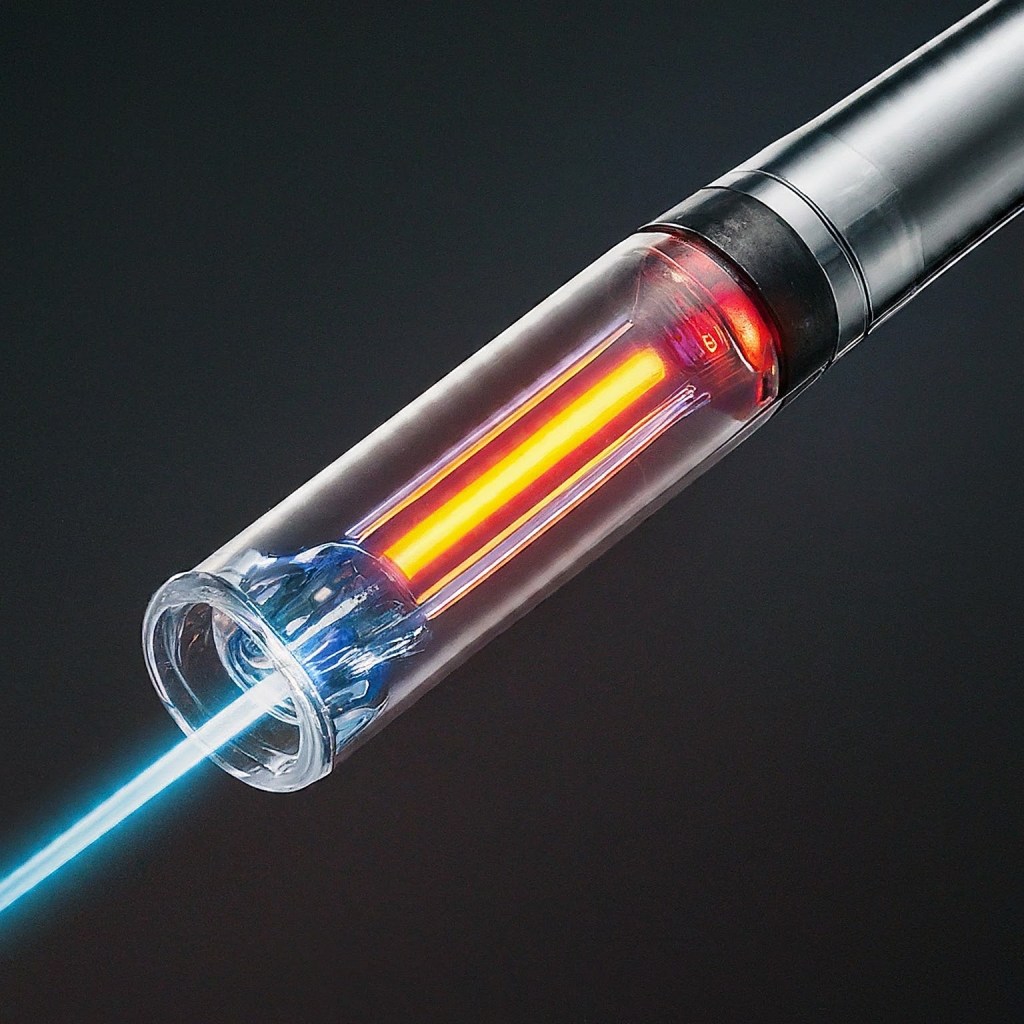
Thermal simulations play a vital role in mitigating these risks by offering a virtual environment to analyze and optimize the thermal behavior of laser-induced medical devices. Here’s how thermal simulations are crucial in medical engineering applications:
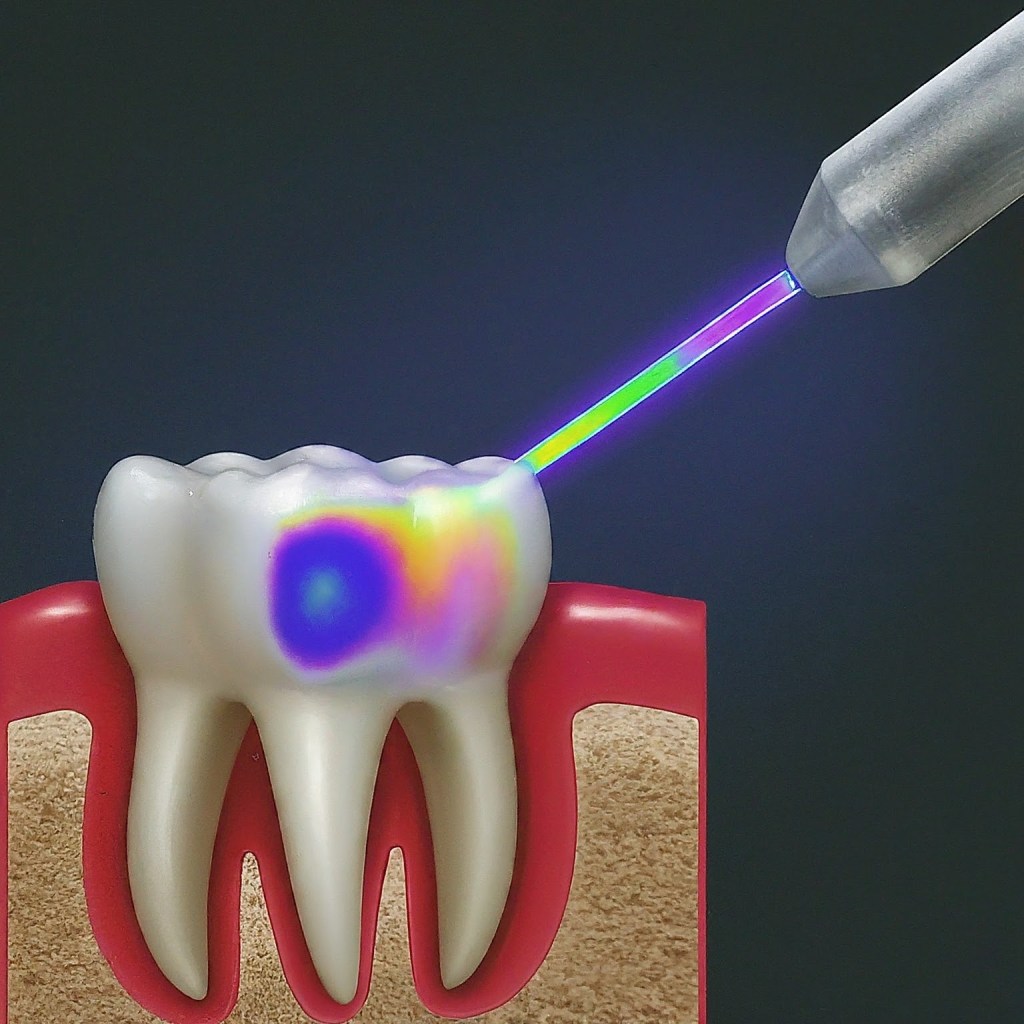
- Optimizing Device Design: Simulations can help engineers assess temperature distribution within the device and surrounding tissues during laser operation. This allows for optimization of factors like laser power settings, beam profiles, and device geometry to minimize heat generation and ensure targeted laser effects.
- Predicting Thermal Risks: By simulating different operating scenarios, engineers can anticipate potential thermal risks associated with various laser parameters or device configurations. This proactive approach allows for the development of safety protocols and design modifications to prevent tissue damage or patient discomfort.
- Virtual Prototyping: Thermal simulations offer a cost-effective and time-saving alternative to physical prototyping. Engineers can virtually test different cooling strategies, such as heat sinks, airflow patterns, or integrated cooling systems, to identify the most efficient approach for thermal management.
- Improved Treatment Outcomes: Effective thermal management through simulations can lead to more precise and controlled laser procedures. This translates to improved treatment outcomes, reduced risk of complications, and faster patient recovery times.
Benefits of Thermal Simulations
- Enhanced Patient Safety: By minimizing thermal injury risks, simulations contribute to safer laser procedures for patients.
- Improved Device Performance and Longevity: Thermal simulations prevent device damage from overheating, leading to reliable and long-lasting devices.
- Optimized Treatment Efficacy: Simulations can help achieve precise temperature control for effective and targeted laser treatment.
- Faster Design and Development: Virtual prototyping through simulations streamlines the development process for laser-induced medical devices.
We perform Conjugate Heat Transfer (CHT) thermal simulations to provide a more comprehensive analysis that considers both heat conduction within the device and heat convection due to surrounding fluids.
Please contact us for the thermal simulation of your laser device.
