
Simulating Droplet Formation for Medical Innovation
Simulate. Optimize. Deliver: CFD for Medical Droplets
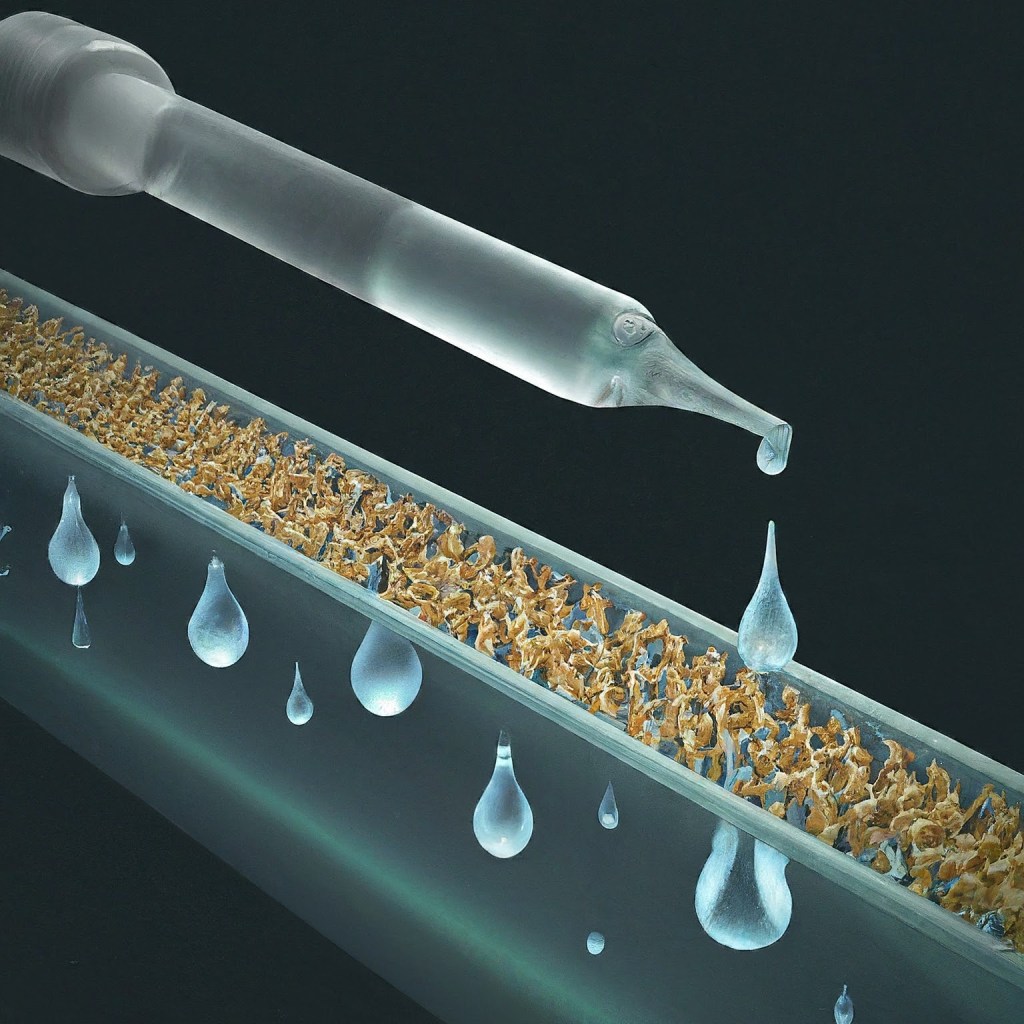
Optimizing Droplet Size and Uniformity:
- Controlled Reactions: Many microfluidic applications involve precise mixing of reagents or samples within droplets. Simulation helps predict how various factors (flow rates, channel geometry, surface tension) influence droplet size and uniformity. Consistent droplet size ensures accurate and reproducible reactions within the device.
- Cell Encapsulation: Microfluidic techniques are used to encapsulate single cells or specific cell populations within droplets for biological studies. Simulations can help optimize droplet size and stability to ensure proper cell viability and function within the droplets.
- Drug Delivery: Microfluidic devices are being explored for targeted drug delivery applications. Simulations can help design channels and flow conditions to create droplets with specific sizes and release properties for controlled drug delivery.

Enhancing Mixing Efficiency
- Mixing Within Droplets: Effective mixing of fluids within droplets is crucial for many applications. Simulations can predict how flow patterns within the microfluidic channels influence mixing efficiency within the droplets. This allows for optimization of channel geometry or flow rates to achieve thorough and rapid mixing.
- Droplet Coalescence: Controlled merging of droplets can be desirable in some microfluidic applications. Simulations can help predict the conditions under which droplets will coalesce efficiently, allowing for precise control over multi-step reactions or sample processing steps within the device.

Improving Device Functionality
- Preventing Clogging: Uneven droplet formation or uncontrolled droplet breakup can lead to clogging within microfluidic channels. Simulations can identify potential issues and help design channels and flow conditions that minimize clogging risks, ensuring reliable device operation.
- Optimizing Droplet Sorting and Separation: Microfluidic devices can be used to sort or separate droplets based on size, content, or other properties. Simulations can help design channels and flow conditions that facilitate efficient sorting and separation processes.
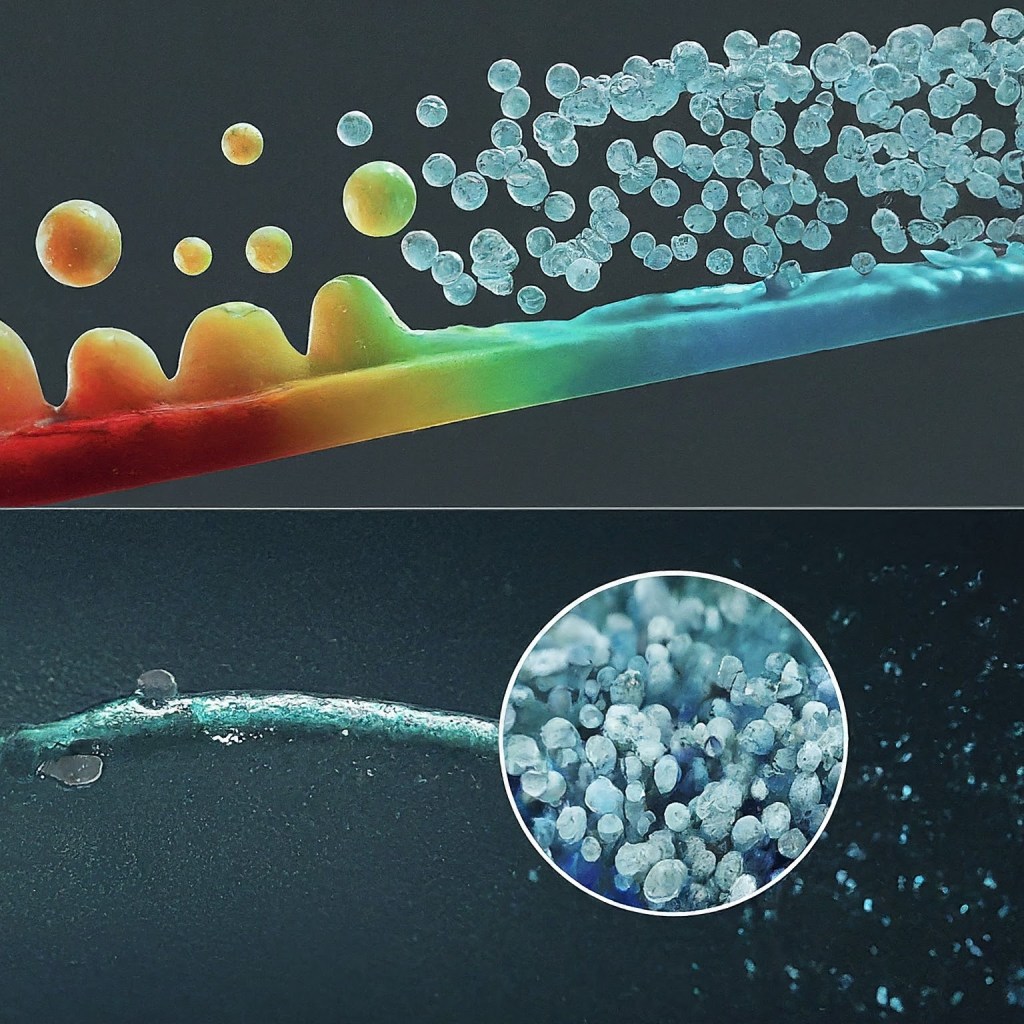
Benefits of Simulation
- Virtual Prototyping: Simulations allow for virtual testing of microfluidic designs before fabrication. This reduces time and cost associated with physical prototyping while enabling faster exploration of design options.
- Predictive Analysis: Simulations can predict how changes in channel geometry, flow rates, or fluid properties will affect droplet formation. This allows for targeted optimization of the microfluidic device for specific applications.
- Improved Design Decisions: Simulation results provide valuable insights that can guide design decisions related to channel dimensions, surface treatment, and flow control strategies for optimal droplet formation in a microfluidic device.
Contact us for the simulation-optimization of your microfluidic device.
